
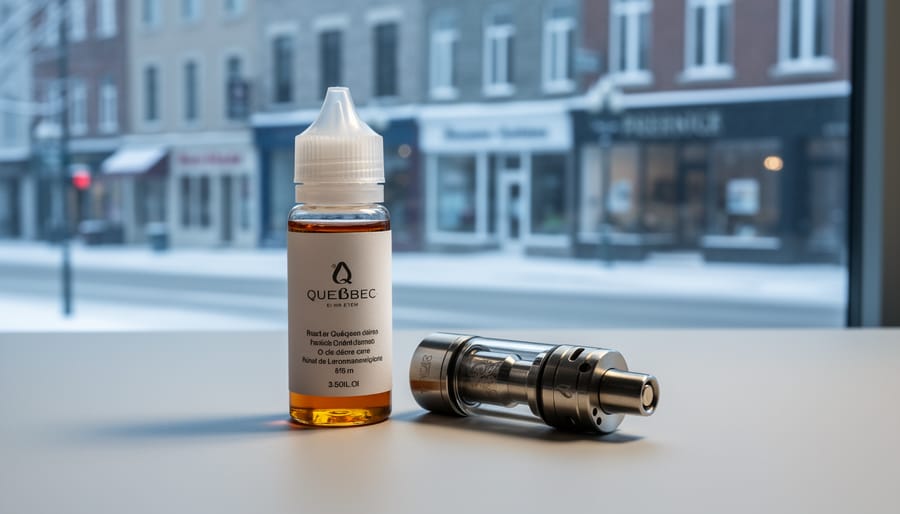
5 Vaping Facts Every Quebecer Should Know About Health Risks and Regulations
Vaping has surged in Quebec: 7% of residents aged 15 and over reported using electronic cigarettes in the 30 days before a 2023 survey, up sharply from 4% in 2020. An electronic cigarette heats liquid into an aerosol that users inhale, and most of these liquids contain nicotine, solvents like propylene glycol and vegetable glycerin, and artificial flavours. While some adults turn to vaping as a smoking alternative, the health picture is far from clear-cut, especially for young people whose developing brains are vulnerable to nicotine’s effects on memory, concentration, and impulse control. Nicotine dependence can form quickly, and emerging research links vaping to a range of adverse health outcomes. Whether you’re a parent weighing the risks, an educator looking for reliable talking points, or someone considering vaping yourself, understanding the core facts helps you make informed decisions in a landscape where devices are readily available and marketing claims often outpace the science.
Fact 1: What’s in Your Vape, The Science Behind the Aerosol
Electronic cigarettes work by heating a liquid until it transforms into an aerosol that users inhale. This process happens inside the device when it’s activated, turning the liquid into a mist you draw into your lungs.
Most vaping liquids contain four main ingredients. The base consists of propylene glycol and vegetable glycerin, which create the vapour-like effect. Manufacturers add artificial flavours or aromas to make the product more appealing, ranging from fruit and candy to menthol and tobacco. The fourth ingredient is typically nicotine, though concentration levels vary.
What you’re actually inhaling is aerosol, not water vapour. The distinction matters because aerosol contains suspended particles and chemicals from the heated liquid. When the device heats the liquid mixture, it creates tiny droplets that carry these ingredients directly into your respiratory system.
The propylene glycol and vegetable glycerin act as carriers for the flavours and nicotine. These solvents make up the bulk of the liquid and produce the visible cloud when exhaled. Understanding what’s in the aerosol helps explain why researchers continue studying vaping’s health effects.
Fact 2: Nicotine Dependence Develops Quickly, Especially in Young People
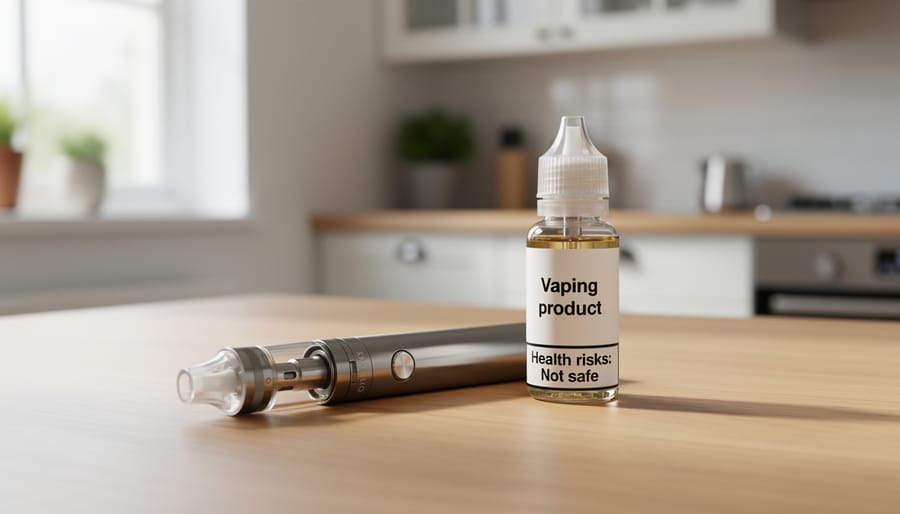
Nicotine in vaping liquids creates dependence faster than many users expect. Research confirms that people can quickly develop a strong dependence on nicotine, with young people facing the highest risk. Unlike occasional use patterns, regular vaping establishes physical and psychological reliance that makes quitting difficult.
Adolescents and young adults are particularly vulnerable. Their brains remain in active development until roughly age 25, which means nicotine exposure during these years carries greater consequences than it does for older adults. The concentrated nicotine delivery in many e-cigarettes accelerates this process. A teenager who starts vaping casually can find themselves experiencing withdrawal symptoms, irritability, difficulty concentrating, strong cravings, within weeks of regular use.
The dependence isn’t always obvious at first. Young vapers may not recognize the pattern until they try to stop or go without their device for a day. By that point, the habit has already taken hold. Understanding this rapid progression helps explain why health authorities emphasize prevention, especially for youth who haven’t yet started vaping.
Fact 3: Vaping Affects the Developing Brain

The human brain continues developing into a person’s mid-twenties, and nicotine exposure during this critical window can cause lasting harm. When young people vape, nicotine interferes with the growth and function of brain circuits responsible for learning, attention, and decision-making. Research shows these effects are not theoretical: nicotine can directly damage the adolescent brain in measurable ways.
Quebec health authorities emphasize youth vaping as a particular concern because the damage occurs at a stage when the brain is building connections that will last a lifetime. A teenager who vapes regularly may struggle with focus in school, find it harder to retain new information, and act more impulsively than peers who do not use nicotine. These are not minor or temporary setbacks. The cognitive effects can persist long after someone stops vaping, shaping academic performance, career prospects, and everyday decision-making well into adulthood. Parents, educators, and young Quebecers themselves need to understand that vaping is not a harmless habit: it carries real neurological risks during the years the brain is most vulnerable.
Fact 4: Vaping Use Has Increased Sharply in Quebec
Between 2020 and 2023, vaping rates among Quebecers aged 15 and older nearly doubled. The 2023 survey found that 7% of residents in this age group reported vaping within the previous 30 days, up from 4% three years earlier. That translates to hundreds of thousands more people using e-cigarettes across the province in a relatively short span.
Public health officials view this sharp uptick as a clear warning signal. When adoption climbs this quickly, particularly among populations that include adolescents and young adults, the potential for widespread nicotine dependence grows. The trend also means more Quebecers are exposed to the aerosol and chemical mixtures found in vaping products, even as researchers work to fully understand the long-term consequences.
This isn’t a gradual shift. The rate increase suggests vaping has moved from a niche habit to a common behaviour in just a few years, making it harder to contain through education alone and raising the stakes for regulatory action.
Fact 5: Health Effects Are Still Being Studied
The scientific community is still working to fully understand vaping’s long-term health impacts. While research shows that vaping may be associated with adverse health effects, the complete picture remains incomplete because e-cigarettes are relatively new products and comprehensive studies take years to conduct.
Current evidence raises concerns about respiratory health, cardiovascular function, and chemical exposure from heated aerosol. Researchers are tracking users over time to measure outcomes that may not appear immediately, including potential lung damage and heart disease risk. The fact that vaping liquids contain multiple chemicals, solvents, artificial flavours, and nicotine, complicates the task of isolating individual health effects.
This evolving knowledge base is precisely why health authorities urge caution, especially for non-smokers and young people. The absence of definitive long-term data doesn’t mean vaping is safe; it means we don’t yet have a complete accounting of the risks. Quebec residents should treat vaping as an activity with known harms (nicotine addiction, brain development impacts) and potential additional risks that ongoing research may reveal.
Quebec Context Box
Quebec manages vaping products through provincial health and consumer protection frameworks. The province recognizes that vaping liquids typically contain propylene glycol, vegetable glycerin, artificial flavours, and nicotine, and health authorities have issued guidance emphasizing the risks of nicotine dependence and developmental harm, particularly for young people. Quebec’s public health messaging highlights that people can quickly develop strong nicotine dependence and that youth face specific risks including impaired memory, concentration, and impulse control. Residents can access current information on product standards and health guidance through Quebec government health channels. Specific age restrictions, permitted sales locations, and enforcement mechanisms are administered through provincial regulatory bodies, and details on these measures are available through official Quebec government resources.
What It Means for You
If you currently vape, consider the facts you’ve just read, particularly the risk of nicotine dependence and the effects on brain development if you’re under 25. Talk openly with your doctor or pharmacist about vaping; they can provide personalized health guidance without judgment and help you understand the evolving research on long-term effects.
If someone you know vapes, especially a teen or young adult, share accurate information rather than scare tactics. Direct them to reliable Quebec health resources, such as their local CLSC (Centre local de services communautaires) or Info-Santé 811, where professionals can answer specific questions and discuss cessation support if needed.
Stay informed as both scientific understanding and provincial regulations continue to develop. Subscribe to updates from Quebec public health authorities, and recognize that what we know about vaping in 2026 will grow as more long-term studies conclude. Being proactive about your health means working with current facts, not assumptions.
Common Questions About Vaping in Quebec
Quebecers often have similar questions when learning about vaping risks and regulations. Here are straightforward answers to the most common queries.
How does vaping differ from smoking traditional cigarettes?
Vaping uses a battery-powered device that heats liquid into an aerosol you inhale, while smoking burns tobacco to create smoke. Both can deliver nicotine, but vaping does not involve combustion or tobacco leaf.
Can vaping liquids be nicotine-free?
Yes, some vaping liquids contain no nicotine. However, most liquids sold in Quebec include nicotine along with solvents like propylene glycol and vegetable glycerin, plus artificial flavours.
What should parents know about teen vaping?
Young people can develop a strong nicotine dependence very quickly, and nicotine harms the developing brain, affecting memory, concentration, and impulse control. Parents should talk openly with teens about these specific risks.
Where can Quebecers find reliable health information about vaping?
The Quebec government’s health portal and Info-Santé (811) provide current, evidence-based guidance on vaping risks and regulations for residents.
These questions reflect the concerns health professionals hear most often in Quebec communities. Understanding the distinction between aerosol and smoke matters, because people sometimes assume vaping is water vapour when it is actually a chemical aerosol. The nicotine content question comes up frequently, especially among people who believe switching to nicotine-free liquids eliminates all risk. Parents and educators need clear, actionable information about youth vulnerability, given that Quebec saw vaping prevalence jump from 4% in 2020 to 7% in 2023. Knowing where to turn for trustworthy provincial resources ensures residents base decisions on verified facts rather than marketing claims or social media posts.